
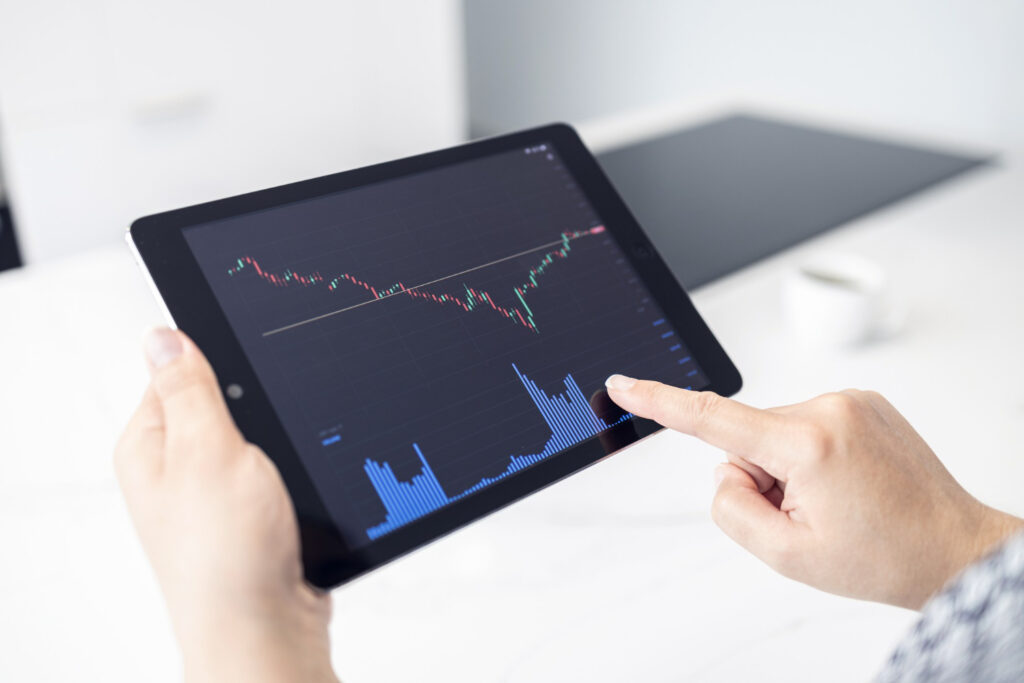
Starting stock trading with just 1,000 is more achievable than most investors realize. Many beginners hesitate because they assume substantial capital is required, yet disciplined execution of basic principles often matters more than fund size. This guide covers essential concepts for understanding Indian markets, account setup procedures, stock selection methods, and fundamental risk management strategies. It also addresses common pitfalls and resources for ongoing education.
Introduction & Mindset
Successful stock market India beginners treat the first 1,000 trade as a controlled experiment rather than a get-rich-quick attempt. Market participation requires discipline from day one. Emotional decisions often lead to costly mistakes during initial trades.
Research suggests beginners who maintain a trading journal for 90 days show fewer emotional decisions. Written records help identify patterns in buying and selling behavior. This practice builds awareness before real capital faces risk.
Three core mindset shifts guide new traders. Treat initial capital as tuition money for learning market mechanics. Commit to a six month minimum horizon instead of expecting quick returns. Define maximum two percent portfolio risk per trade to protect your small starting amount.
Users who set written rules before funding accounts demonstrate higher retention rates according to Zerodha Varsity course completion data. Predefined guidelines reduce confusion when markets move against positions. This preparation proves valuable when handling real trades with limited funds.
A sixty second daily review habit using TradingView watchlist notes keeps beginners focused. Record price movements and personal reactions each evening. Consistent tracking reveals progress over weeks and months of market exposure.
Understanding Indian Markets
NSE operates 9:15 AM to 3:30 PM IST with pre-open session from 9:00-9:15 AM and closing session 3:30-3:40 PM for all equity segments. This schedule matters when you begin stock trading in India because order placement follows these exact timings. Market hours NSE also determine when price movements occur throughout each trading day.
NSE handles most equity volume with thousands of listed stocks. BSE includes more companies but offers lower liquidity for many shares. Beginners starting with one thousand rupees benefit from focusing on NSE stocks because tighter spreads reduce costs on small trades. Discount broker India platforms provide access to both exchanges through a single account.
Circuit limits restrict daily price changes at 2 percent, 5 percent, 10 percent or 20 percent depending on stock characteristics. These bands activate dynamically when prices move too quickly. Circuit limit stocks pause trading temporarily to prevent extreme volatility that could affect small capital trading positions.
Foreign institutional investors and domestic institutional investors influence market direction through their buying and selling patterns. Data from January 2024 showed significant net purchases by FIIs alongside DII selling activity. FII DII data India appears in financial newspapers like Economic Times each morning around market open.
Setting Up Demat & Trading Account
Opening a demat account and trading account forms the foundation for anyone planning to start trading with 1000 rupees in the stock market India. Zerodha, Groww, and Upstox each offer zero account opening fees and 0 delivery brokerage while charging 20 per intraday/F&O order. SEBI registered brokers provide the infrastructure needed for equity shares India, delivery trading, and small capital trading.
Account opening requires only PAN card requirement, Aadhaar eSign KYC, and basic personal details. Most platforms complete verification through Aadhaar eSign in 7 minutes, whereas physical document upload takes 2-3 days. Beginners can fund their account using UPI payment trading and begin placing orders immediately after approval.
| Broker | Account Opening Fee | Delivery Brokerage | Intraday Brokerage | AMC | Min Balance |
| Zerodha | 0 | 0 | 20 | 300 | 0 |
| Groww | 0 | 0 | 20 | 0 | 0 |
| Upstox | 0 | 0 | 20 | 150 | 0 |
| 5Paisa | 0 | 0 | 20 | 0 | 0 |
| Angel One | 0 | 0 | 20 | 0 | 0 |
Groww provides simpler mobile interface while Zerodha offers advanced charting via Kite web. First-time users benefit from Groww app when focusing on mutual funds SIP and delivery trades. Zerodha suits those who later want detailed technical tools for equity shares India and intraday trading India.
Completing KYC & Funding Account
Aadhaar eSign KYC completes in 4-7 minutes using DigiLocker integration while in-person verification at broker branch takes 30-45 minutes. This process allows you to open a demat account and start trading with 1000 rupees quickly. Most SEBI registered brokers complete digital verification on the same day.
Follow these numbered steps to finish your verification. First, download the eSign app or use the broker in-app eSign feature. Second, enter your PAN and Aadhaar number correctly. Third, complete the OTP authentication sent to your registered mobile number.
Fourth, capture a live selfie as required by the system. Fifth, link your bank account via UPI mandate for instant funding. Groww supports instant UPI transfers from 1 rupee to 2 lakh rupees. Zerodha uses Razorpay with a 10 rupee minimum deposit. Upstox allows netbanking from more than 60 banks.
eKYC accounts activate on the same day while physical KYC takes 2 working days. Common rejection reasons include blurry Aadhaar images and name mismatches between PAN and bank records. Double check all details before submission to avoid delays in your trading account India setup.
Choosing Stocks & Instruments
Beginners should allocate initial 1,000 across 2-3 blue-chip stocks or Nifty 50 ETF rather than single penny stock positions. Research suggests focusing on established companies reduces exposure to sharp price movements that often affect smaller stocks. This approach builds experience while managing risk from the start.
SEBI data shows many first-time traders face losses when purchasing stocks under 10. Diversification becomes essential even with modest capital amounts. Nifty 50 ETF offers exposure to fifty leading companies through a single investment vehicle with an expense ratio of 0.05 percent.
Individual stocks typically require minimum investments of 500 to 800 per position for proper diversification. This creates challenges when working with limited capital. ETFs solve this problem by allowing smaller entry amounts with built-in spread across multiple companies.
Practical examples include Reliance Industries trading around 2,456 with a 0.55 percent dividend yield, TCS near 3,789 offering 1.8 percent yield, and HDFC Bank at 1,678 with 1.1 percent yield. A sample split might place 400 in Nippon India ETF Nifty BeES, 300 in SBI ETF Nifty 50, and 300 in ICICI Prudential Nifty 50 ETF.
Equity Shares vs ETFs
Equity shares require minimum 500-1,000 per stock position while ETFs allow 100-500 investments with built-in diversification across 50-500 companies. Each option carries distinct characteristics for new participants in the stock market India. Understanding these differences helps match choices to available capital and goals.
Equity involves individual company risk with 1-2 percent brokerage on delivery trades. This requires conducting stock research before making decisions. Single positions may experience swings exceeding 50 percent during market movements.
ETFs track index performance with expense ratios between 0.05 and 0.20 percent. No stock picking becomes necessary since the fund mirrors the underlying benchmark. Annual volatility typically ranges between 15 and 20 percent for Nifty-based products.
Monthly SIP contributions of 1,000 in Nippon India ETF Nifty BeES provide exposure to over 1,000 companies through the index. The same amount spent on direct equity shares limits participation to one or two companies. Nifty ETFs maintain high liquidity with daily trading volumes exceeding 50 lakh units compared to penny stocks averaging 10,000 shares.
Using Limit Orders
Limit orders guarantee execution price while market orders execute instantly at current bid/ask but may slip 0.5-2 percent during volatile sessions. This distinction matters when every rupee counts in small capital trading. Understanding order types helps control costs and outcomes.
Users set specific buy prices below current market levels or sell prices above market to ensure execution only at desired levels. A current Reliance price of 2,456 allows placing a 2,440 limit buy order that waits for a dip. Market orders fill immediately at 2,458 without waiting.
Day orders remain valid until 3:30 PM IST on the trading session. IOC orders execute partially or cancel within seconds if full quantity cannot be matched. These options provide flexibility based on urgency and price expectations.
Mobile apps simplify placement with Groww requiring three taps for limit orders while Zerodha Kite uses four clicks with price validation. Experts recommend adding a 0.25 percent price buffer for limit orders on liquid large-cap stocks to improve execution chances without sacrificing too much on price.
Placing Your First Trade
Execute first trade only after completing 5-10 paper trades on TradingView paper trading mode or broker’s virtual trading feature. This practice builds comfort with the interface and order flow before risking actual capital. Beginners benefit from repeating these simulated exercises until each step feels automatic.
Start by logging into your trading account and navigating to the watchlist section. Select Nifty 50 ETF from the available options since these instruments offer broad market exposure with lower volatility than individual stocks. Keep the focus on delivery trading rather than speculative positions when starting small.
Next, choose delivery order type from the dropdown menu. Enter 300 quantity as the minimum lot size for most ETF products. Set your limit price 0.5 percent below the current market value to avoid paying inflated prices during sudden movements.
Review the order summary carefully before submission. The display shows approximately 1.50 brokerage along with applicable taxes and charges. Confirm the details match your intent, then enter your UPI PIN to finalize the transaction.
The entire process from login to order placement typically requires 8-12 minutes during your first attempt. Take time to double-check each field rather than rushing through the sequence. Most platforms display a confirmation screen once the order reaches the exchange successfully.
Contract note arrives within 30 minutes via email after successful execution. Demat credit appears the next trading day under T+1 settlement rules. Track this timeline through your account statement to confirm everything processed correctly.
One common first-trade error involves accidentally selecting intraday instead of delivery. This mistake triggers auto square-off at 3:15 PM even if the price moves favorably. Always verify the order type before confirmation to prevent unintended position closures.
Risk Management Basics
Never risk more than 2 percent of total capital on any single trade. For 1000 rupees starting capital, maximum loss per trade equals 20 rupees. This rule protects your small portfolio from quick erosion.
Four specific practices help beginners stay safe. Set a 5 to 8 percent stop loss below entry price on all positions. Limit single stock allocation to 25 percent of portfolio maximum. Maintain minimum 3 to 4 positions for basic diversification. Record every trade in an Excel journal with entry, exit, and P and L columns.
Position sizing follows a clear formula. Position Size equals Risk Amount divided by Entry Price minus Stop Loss Price. This calculation shows exactly how many shares fit within your 20 rupee risk limit. Proper sizing prevents oversized bets that could wipe out your capital.
Weekly review forms the final habit. Every Sunday at 10 AM, check all open positions against your original thesis. Note any changes in company news or price action. Adjust or exit trades when the original reason for entry no longer holds.
Monitoring & Reviewing Portfolio
Review portfolio weekly on Sundays at 10 AM using broker app portfolio section rather than daily price checking which increases emotional trading. This routine builds discipline and reduces impulsive decisions. Small capital traders benefit from structured review habits.
Weekly review checklist keeps beginners organized with limited funds. Start by checking open positions P&L summary. Compare quarterly results dates against holdings using Economic Times earnings calendar.
Next review sector allocation pie chart for balance across industries. Check any corporate actions such as bonus, split, or dividend for next week. Update trading journal with lessons learned from executed trades.
Track specific metrics to measure progress. Calculate portfolio XIRR using broker’s realized return calculator. Monitor win rate percentage and average holding period in days to improve strategy over time.
Free tools simplify analysis for new traders. Zerodha Console provides detailed P&L reports. Groww shows sector allocation clearly. Upstox includes trade-wise analytics for deeper review.
Apply quarterly rebalancing rule to manage risk. Adjust positions if any stock exceeds 35 percent of total portfolio value. This practice protects small capital from concentration risk in equity shares India.
Common Mistakes to Avoid
SEBI 2023 investor survey revealed 72% of new traders lose money primarily due to overtrading and revenge trading after initial losses. Beginners starting with small amounts need to recognize these patterns early. Understanding common errors helps protect your limited capital from unnecessary erosion.
Many new participants fall into emotional traps that compound quickly. These mistakes often stem from lack of preparation rather than market conditions themselves. Recognizing warning signs allows traders to adjust behavior before significant damage occurs.
Each error carries specific consequences for those managing modest portfolios. Learning from documented cases provides clearer direction than trial and error alone. Practical solutions exist for every major pitfall discussed below.
FOMO buying at daily highs represents one frequent issue. Traders purchase shares like Zomato at 135 after a 15% rally instead of waiting for a pullback. Pre-market watchlist creation helps identify entry levels during calmer periods rather than chasing momentum.
Averaging down losing positions creates another challenge. Adding 200 to an 800 holding already down 20% without any thesis change increases exposure unnecessarily. Maximum three trades per week rule encourages deliberate decision making over reactive additions.
Ignoring brokerage costs drains small accounts faster than expected. Fifteen trades at 20 each equals 300 on 1,000 capital, representing 30% in expenses. Cost calculator spreadsheets track these charges before execution to maintain awareness of total impact.
Trading during market hours without structure leads to impulsive choices. Watching price movements tick by tick often triggers decisions based on momentary fluctuations. Scheduled review times only prevent constant monitoring that fuels emotional reactions throughout the session.
Skipping stop losses becomes particularly costly during gap openings. Positions can move beyond acceptable limits before any corrective action occurs. Predefined exit levels protect capital even when markets open at unexpected prices the next day.
A Telegram group member lost 4,200 following paid tipster recommendations without verification. The individual executed multiple suggestions without personal analysis or risk parameters. Independent evaluation of every trade idea prevents similar outcomes for those starting with limited funds.
Resources for Continued Learning
Zerodha Varsity offers 10 free modules covering 300+ pages of India-specific content from basic stock market concepts to options strategies. The mobile app provides structured lessons across 50+ chapters that beginners can access at any time. Completion of all modules awards a certificate that serves as proof of foundational knowledge.
Beginners should start with the first three modules before placing their first trade. These sections focus on market basics, order types, and account setup procedures. After completing initial trades, learners can progress to modules four through six which cover risk management techniques and position sizing.
Several additional platforms support ongoing education for small capital trading. NSE Academy provides 20-hour certification courses for 1500 rupees. Moneycontrol app delivers real-time data, portfolio tracking, and daily newsletters. TradingView India includes free charting tools with 15+ indicators plus paper trading mode.
The Economic Times YouTube channel broadcasts an 8 AM daily market update. SEBI SCORES portal offers complaint tracking alongside investor education materials. These resources help traders stay informed about equity shares India and market movements without additional costs.
Building consistent habits improves learning outcomes over time. Dedicate two hours each week to reading educational materials. Spend one hour practicing paper trades on simulation platforms. Reserve 30 minutes for reviewing completed trades in a trading journal India to identify patterns and mistakes.
Frequently Asked Questions
Is it possible to start stock trading in India with only 1000?
Yes, beginners can open a demat and trading account with brokers offering zero or low account opening fees and start with small investments in blue-chip stocks or ETFs.
What are the first steps outlined in A complete step-by-step guide to starting stock trading in India with just one thousand rupees?
The guide recommends choosing a SEBI-registered discount broker, completing e-KYC, funding your account with 1000, and learning basic order types before placing your first trade.
Which stocks or instruments should beginners focus on with a 1000 budget?
Start with affordable shares or index funds that allow fractional exposure through ETFs, keeping transaction costs low as emphasized for new traders.
How do I manage risks when trading with such a small amount?
Use stop-loss orders, diversify across 2-3 holdings, and avoid leverage; paper trading first helps build skills without risking capital.
Do I need to pay taxes on profits made from a 1000 investment?
Yes, short-term capital gains are taxed at 15% if sold within one year, while long-term gains above 1 lakh annually attract 10% tax.
Where can I find reliable learning resources alongside A complete step-by-step guide to starting stock trading in India with just one thousand rupees?
Free SEBI investor education portals, broker tutorials, and virtual trading apps provide additional practice to complement the guide’s practical steps.
Related Posts

How to Choose Floor Leveling Mortar for Value and Quality
Floor leveling is an important step in construction and renovation…

What Investor Mindsets Make Forex Trading Dangerous?
Forex trading offers the potential for high returns, but it…

How to Choose the Right CFD Platform for Trading in India
CFD trading has experienced significant growth in India, providing traders…